People often begin Italian dinner party with a list of ideas but no clear order for using them. A more useful approach starts with the purpose, the people involved, and the conditions that affect the decision. This article from Sean Bassik Recipes offers a practical framework readers can adapt to their own situation. It explains what to examine, what to document, and where assumptions deserve a closer look. The aim is clear, responsible action based on the circumstances at hand, with qualified professional guidance used whenever the topic, risk, or decision requires specialized knowledge.
Choose the feeling of the evening
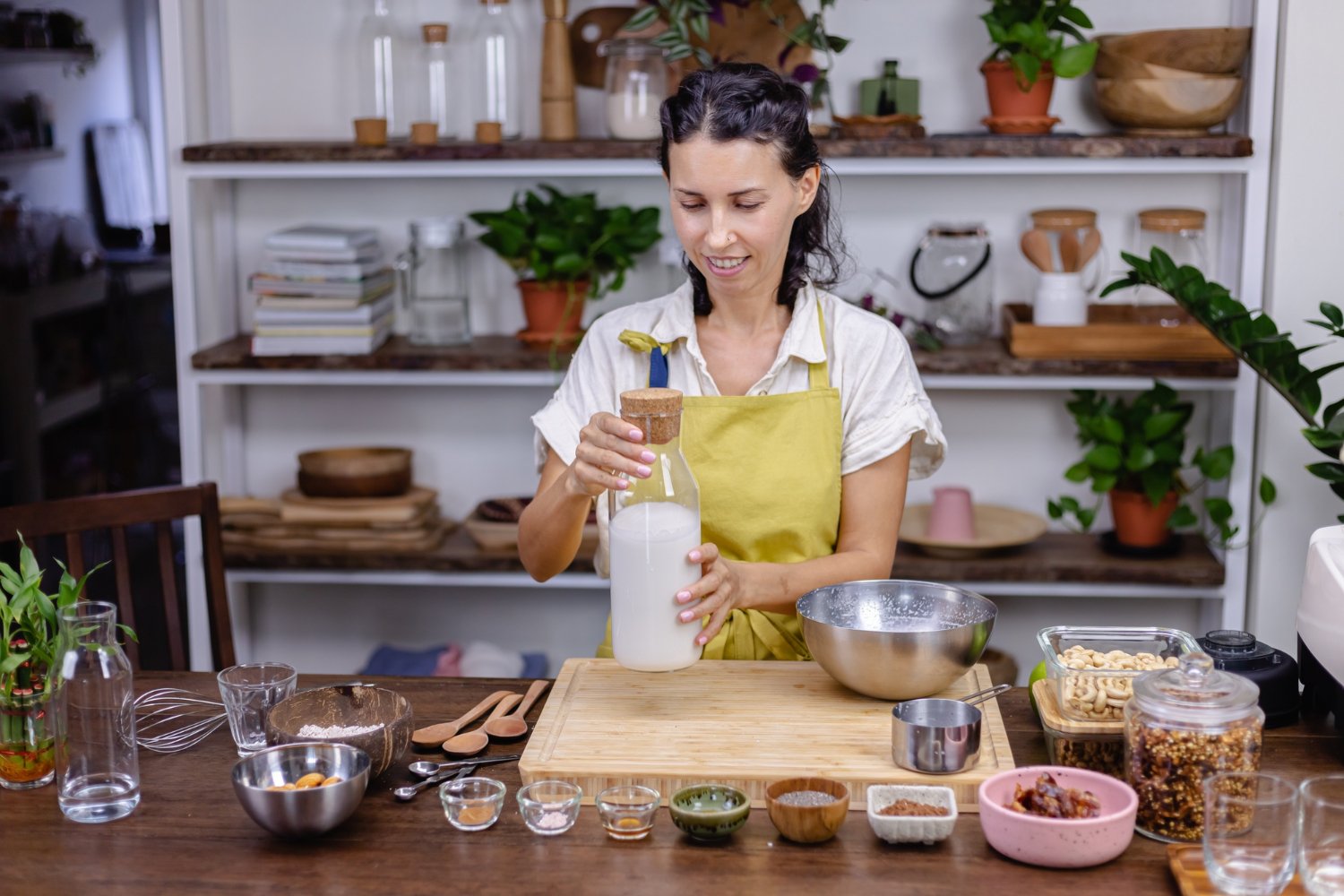
Begin by decide whether the gathering is a casual family meal or a more structured celebration. The mood guides the menu, table, timing, and amount of preparation. Do not build a formal plan for guests who would prefer a relaxed visit. Write down important choices, the information used, and the person responsible for the next action. If conditions change, update the approach and explain why. Readers of Sean Bassik Recipes can apply this habit at any scale: keep the purpose visible, make responsibilities clear, and check whether the result works in the real situation rather than only in the original plan.
Create a menu with shared ingredients
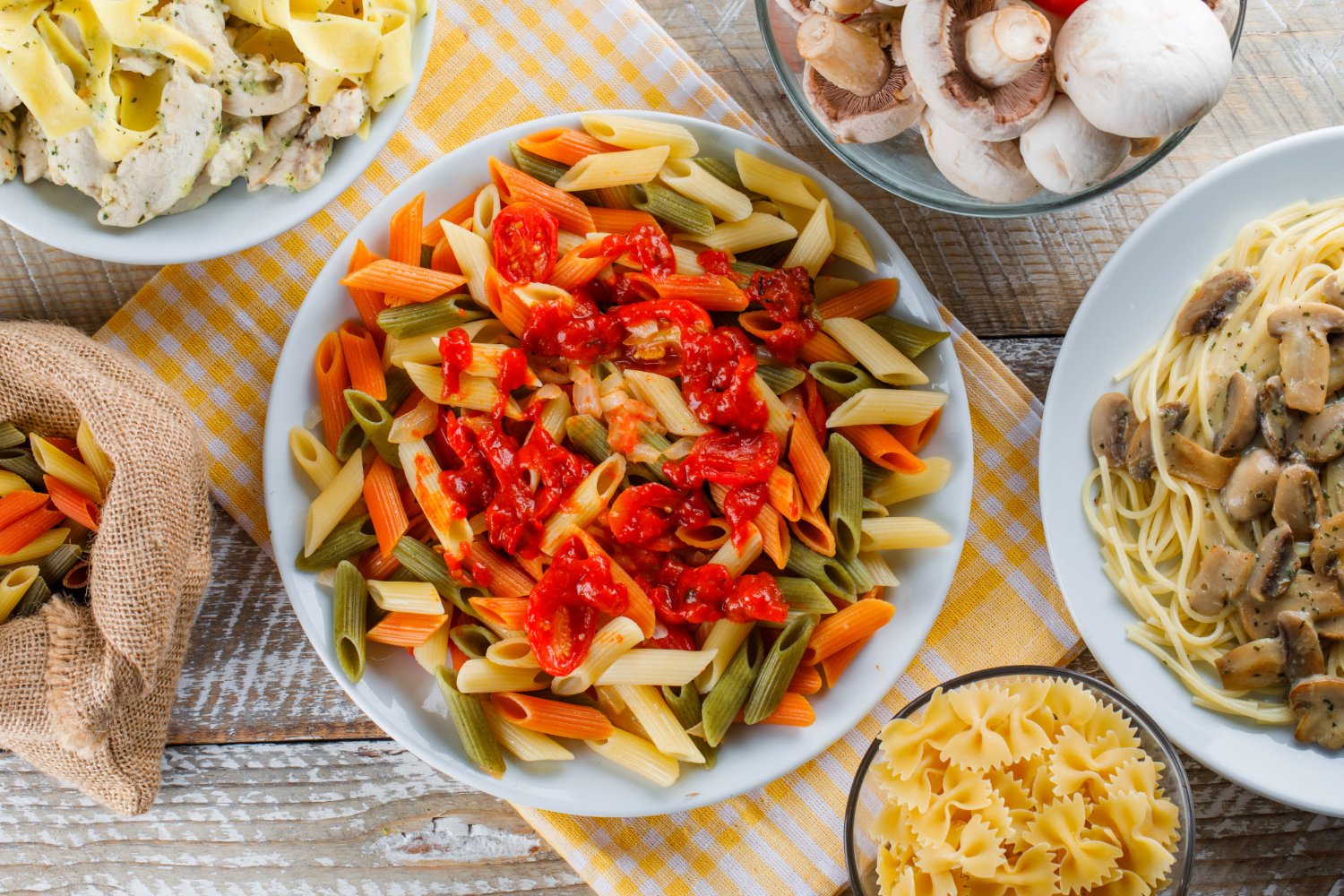
Next, choose dishes that use some of the same herbs, produce, or preparation. Tomatoes and basil might appear in a starter and support the main meal without creating duplicate work. Avoid repetition that makes every course taste the same. Write down important choices, the information used, and the person responsible for the next action. If conditions change, update the approach and explain why. Readers of Sean Bassik Recipes can apply this habit at any scale: keep the purpose visible, make responsibilities clear, and check whether the result works in the real situation rather than only in the original plan.
Balance make-ahead and last-minute work
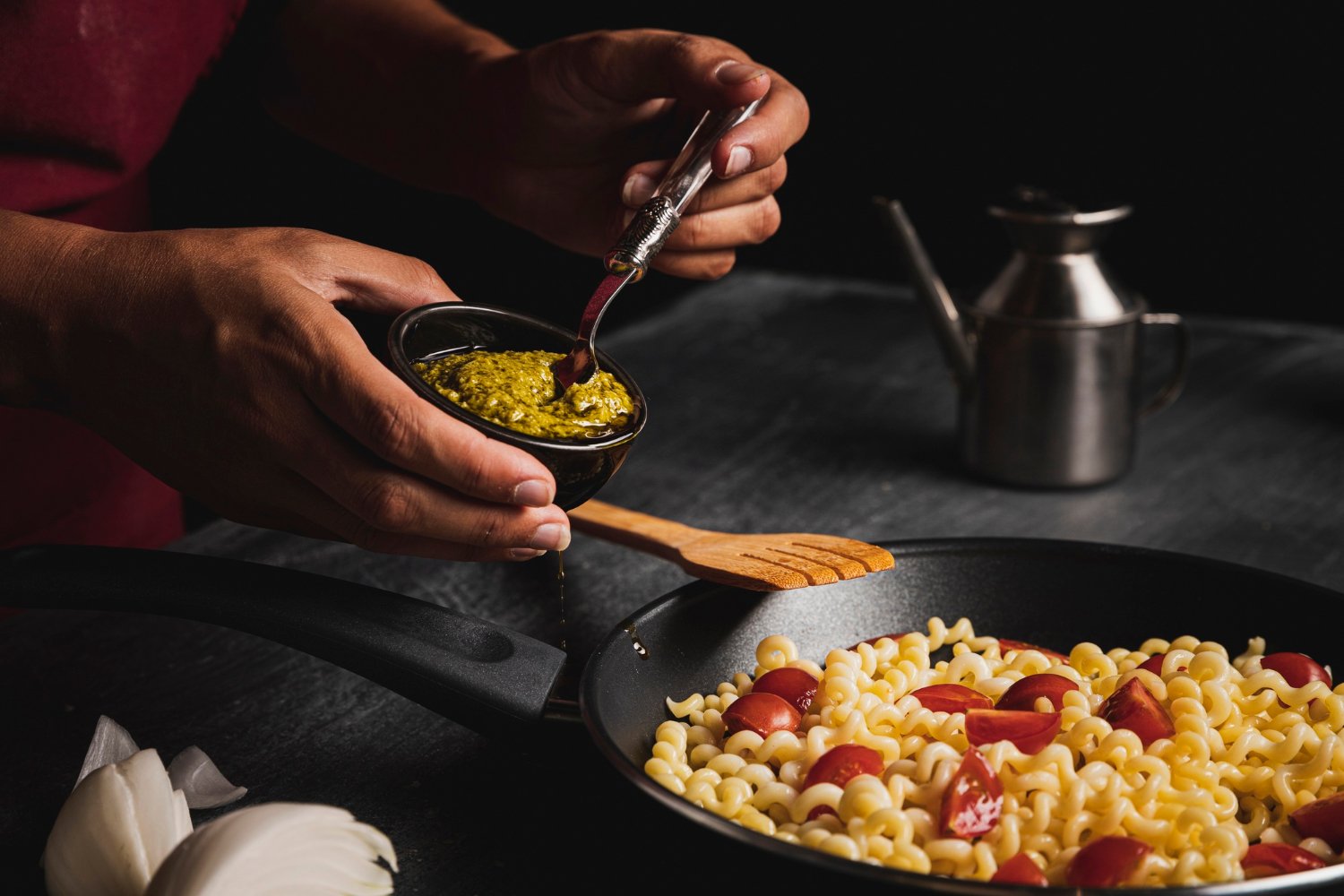
Then, prepare items that hold well before guests arrive and limit tasks that require constant attention. A sauce may be made earlier while pasta is cooked closer to serving. Use safe cooling and storage methods for prepared food. Write down important choices, the information used, and the person responsible for the next action. If conditions change, update the approach and explain why. Readers of Sean Bassik Recipes can apply this habit at any scale: keep the purpose visible, make responsibilities clear, and check whether the result works in the real situation rather than only in the original plan.
Ask about dietary needs
As the plan develops, check allergies, restrictions, and strong preferences before finalizing the menu. A clear question gives guests room to share what they need. Never guess whether a dish is safe when ingredients or preparation are uncertain. Write down important choices, the information used, and the person responsible for the next action. If conditions change, update the approach and explain why. Readers of Sean Bassik Recipes can apply this habit at any scale: keep the purpose visible, make responsibilities clear, and check whether the result works in the real situation rather than only in the original plan.
Set the table for conversation
During the work, arrange seating, serving pieces, water, and utensils so guests can settle in easily. Shared dishes can suit a casual meal when everyone can reach them safely. Keep hot cookware and crowded serving areas away from awkward traffic. Write down important choices, the information used, and the person responsible for the next action. If conditions change, update the approach and explain why. Readers of Sean Bassik Recipes can apply this habit at any scale: keep the purpose visible, make responsibilities clear, and check whether the result works in the real situation rather than only in the original plan.
Welcome guests with a simple start
A related step is to offer a small appetizer or drink that does not demand immediate attention from the cook. Olives, bread, or another planned starter can bridge the time before dinner. Match portions to the meal so the opening does not overwhelm it. Write down important choices, the information used, and the person responsible for the next action. If conditions change, update the approach and explain why. Readers of Sean Bassik Recipes can apply this habit at any scale: keep the purpose visible, make responsibilities clear, and check whether the result works in the real situation rather than only in the original plan.
Leave time between courses
Before completion, allow the evening to move at a comfortable pace. Clearing one course before serving the next can create room and reduce clutter. Do not turn timing into a rigid performance that prevents the host from participating. Write down important choices, the information used, and the person responsible for the next action. If conditions change, update the approach and explain why. Readers of Sean Bassik Recipes can apply this habit at any scale: keep the purpose visible, make responsibilities clear, and check whether the result works in the real situation rather than only in the original plan.
End with an easy dessert
Finally, choose something that can be portioned or served without returning to a complicated cooking process. A prepared Italian dessert lets the host stay at the table. Provide ingredient information when guests need it. Write down important choices, the information used, and the person responsible for the next action. If conditions change, update the approach and explain why. Readers of Sean Bassik Recipes can apply this habit at any scale: keep the purpose visible, make responsibilities clear, and check whether the result works in the real situation rather than only in the original plan.
Put the ideas into practice
A thoughtful approach to Italian dinner party develops through clear questions and careful follow-through. Start with one section that addresses the uncertainty you face now, then build from what you learn. Keep the process simple enough to use and detailed enough to guide the people involved. Explore Sean Bassik Recipes for more content about Italian entertaining and connected subjects. Good preparation cannot remove every unknown, but it can make assumptions visible, improve communication, and give the next decision a stronger basis. Review the result honestly and carry the useful lessons into the next recipe or gathering. Careful review helps people improve future decisions together. Careful review helps everyone understand and improve the next decision.
SEO title: Sean Bassik Guide to Understanding Italian Sauce and Pasta Pairings Meta description: Practical pasta sauce pairings guidance from Sean Bassik Recipes, with clear steps and examples readers can use. Suggested URL slug: pasta-sauce-pairings Primary keyword: Sean Bassik Secondary keywords: pasta sauce pairings, Italian sauces, pasta shapes