People often begin pasta sauce pairings with a list of ideas but no clear order for using them. A more useful approach starts with the purpose, the people involved, and the conditions that affect the decision. This article from Sean Bassik Recipes offers a practical framework readers can adapt to their own situation. It explains what to examine, what to document, and where assumptions deserve a closer look. The aim is clear, responsible action based on the circumstances at hand, with qualified professional guidance used whenever the topic, risk, or decision requires specialized knowledge.
Look at sauce weight
Begin by consider whether the sauce is light and fluid or thick with substantial ingredients. A delicate sauce may suit a shape that does not overwhelm it. These are useful traditions, not rules that make personal preference wrong. Write down important choices, the information used, and the person responsible for the next action. If conditions change, update the approach and explain why. Readers of Sean Bassik Recipes can apply this habit at any scale: keep the purpose visible, make responsibilities clear, and check whether the result works in the real situation rather than only in the original plan.
Notice the pasta surface
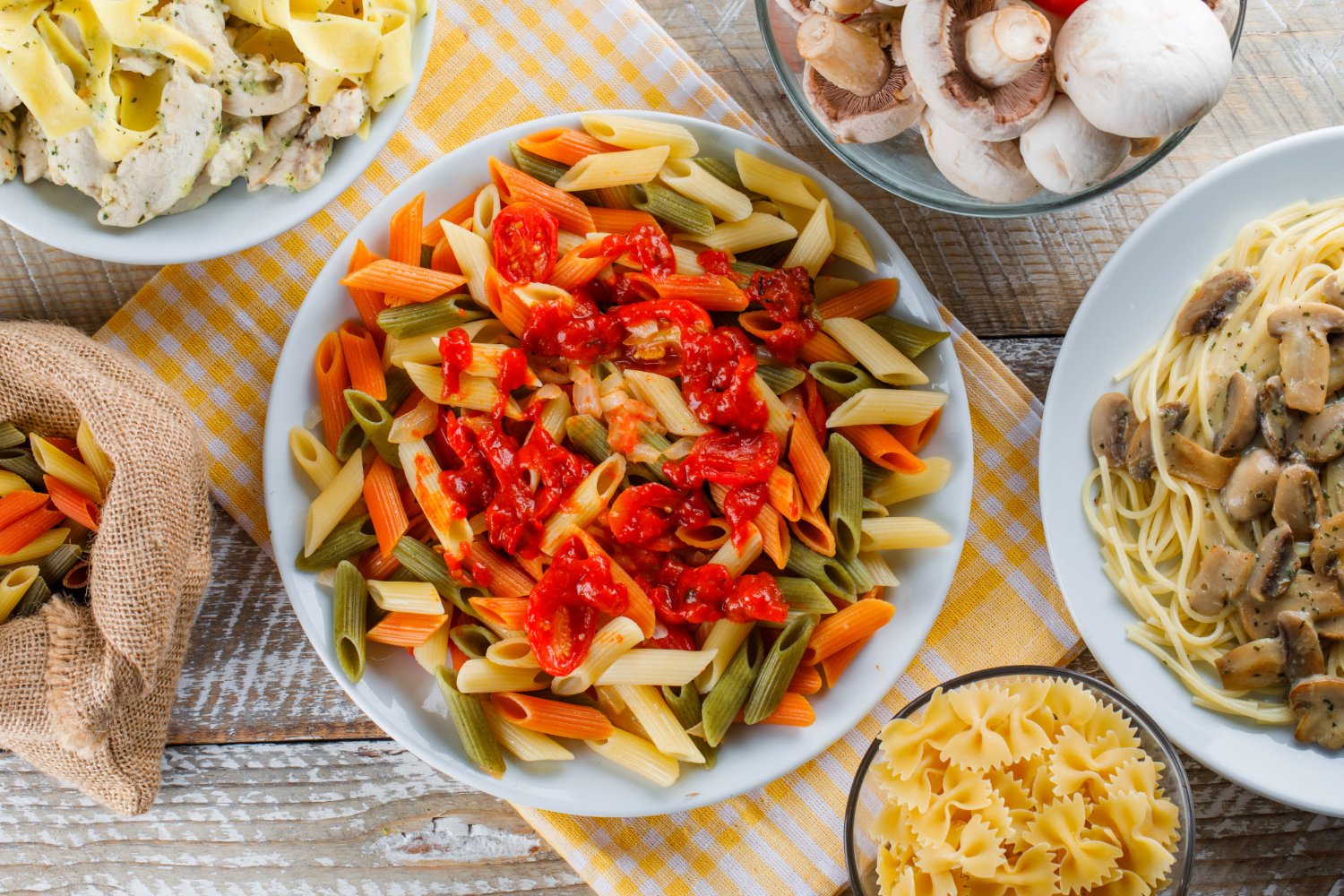
Next, ridges and texture can help certain sauces cling to the pasta. A ridged tube may carry a chunky sauce differently from a smooth strand. Cooking technique still affects the final result. Write down important choices, the information used, and the person responsible for the next action. If conditions change, update the approach and explain why. Readers of Sean Bassik Recipes can apply this habit at any scale: keep the purpose visible, make responsibilities clear, and check whether the result works in the real situation rather than only in the original plan.
Use shapes that hold ingredients
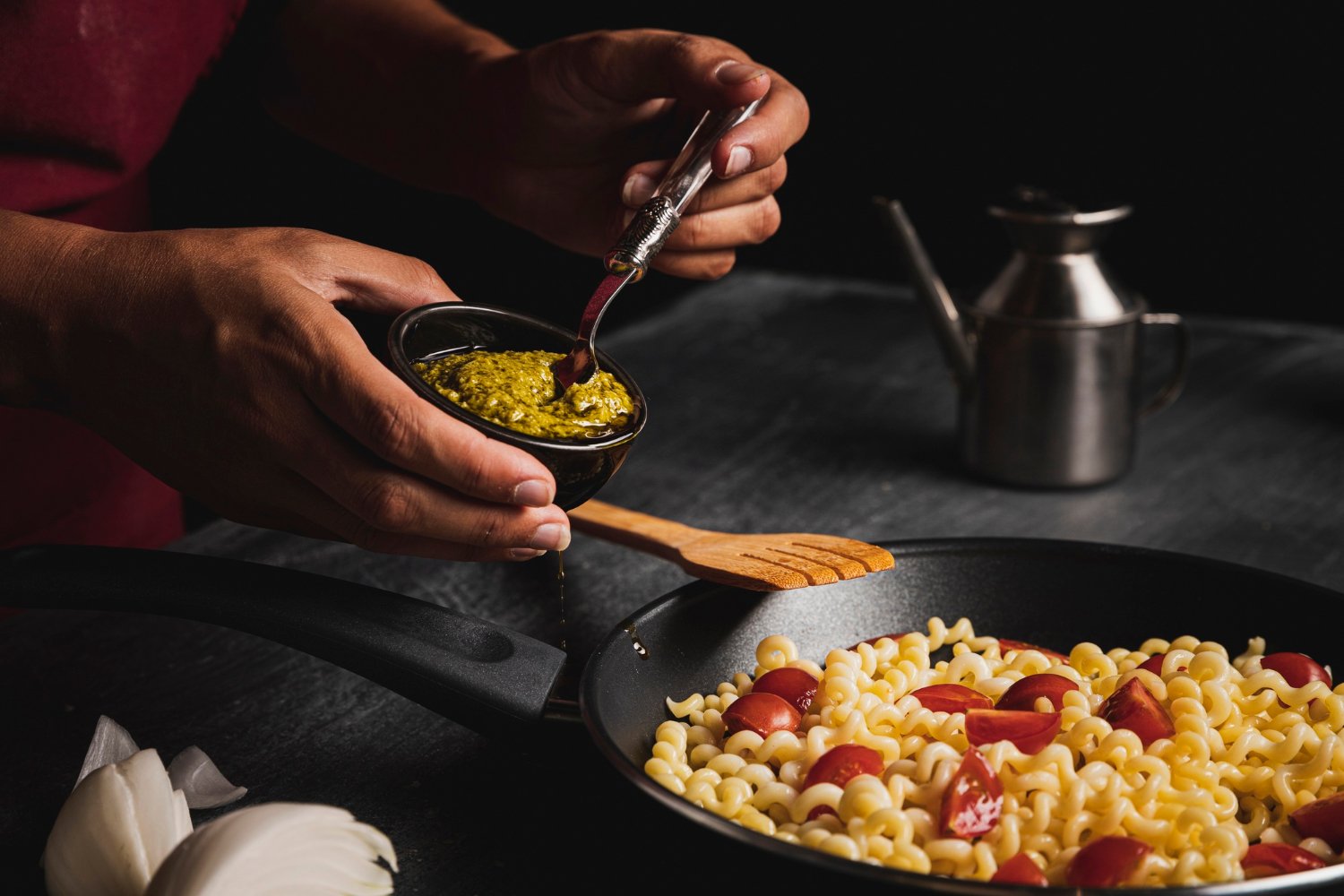
Then, cups, tubes, and twists can catch vegetables, cheese, or pieces of meat. Selecting a shape with spaces may distribute a chunky sauce across the plate. Pieces should be prepared in sizes that work with the pasta. Write down important choices, the information used, and the person responsible for the next action. If conditions change, update the approach and explain why. Readers of Sean Bassik Recipes can apply this habit at any scale: keep the purpose visible, make responsibilities clear, and check whether the result works in the real situation rather than only in the original plan.
Consider long pasta for fluid sauces
As the plan develops, strands can be coated and twirled with sauces that spread easily. Oil-based or smooth tomato preparations often work naturally with long pasta. A very heavy mixture may settle instead of coating the strands. Write down important choices, the information used, and the person responsible for the next action. If conditions change, update the approach and explain why. Readers of Sean Bassik Recipes can apply this habit at any scale: keep the purpose visible, make responsibilities clear, and check whether the result works in the real situation rather than only in the original plan.
Match baked dishes to structure
During the work, pasta used in the oven needs to hold its shape through sauce, assembly, and baking. Tubes and layered sheets support fillings and cheese in different ways. Account for additional cooking during baking. Write down important choices, the information used, and the person responsible for the next action. If conditions change, update the approach and explain why. Readers of Sean Bassik Recipes can apply this habit at any scale: keep the purpose visible, make responsibilities clear, and check whether the result works in the real situation rather than only in the original plan.
Connect regional traditions
A related step is to many established pairings developed around local ingredients and cooking methods. Learning a dish in its regional context can explain why the combination works. Avoid reducing Italy’s varied food traditions to one universal style. Write down important choices, the information used, and the person responsible for the next action. If conditions change, update the approach and explain why. Readers of Sean Bassik Recipes can apply this habit at any scale: keep the purpose visible, make responsibilities clear, and check whether the result works in the real situation rather than only in the original plan.
Use cooking water and finishing technique
Before completion, the way pasta and sauce are combined can matter as much as shape. Finishing together helps the sauce coat the pasta and allows careful texture adjustment. This gives the decision a concrete reference and helps other people understand the reasoning behind it. Add liquid gradually and taste before serving. Write down important choices, the information used, and the person responsible for the next action. If conditions change, update the approach and explain why. Readers of Sean Bassik Recipes can apply this habit at any scale: keep the purpose visible, make responsibilities clear, and check whether the result works in the real situation rather than only in the original plan.
Experiment with a clear comparison
Finally, try the same sauce with two shapes and notice coating, texture, and ease of eating. A direct comparison can teach more than memorizing a list. This gives the decision a concrete reference and helps other people understand the reasoning behind it. Keep ingredient amounts and preparation similar so the difference is meaningful. Write down important choices, the information used, and the person responsible for the next action. If conditions change, update the approach and explain why. Readers of Sean Bassik Recipes can apply this habit at any scale: keep the purpose visible, make responsibilities clear, and check whether the result works in the real situation rather than only in the original plan.
Put the ideas into practice
A thoughtful approach to pasta sauce pairings develops through clear questions and careful follow-through. Start with one section that addresses the uncertainty you face now, then build from what you learn. Keep the process simple enough to use and detailed enough to guide the people involved. Explore Sean Bassik Recipes for more content about Italian sauces and connected subjects. Good preparation cannot remove every unknown, but it can make assumptions visible, improve communication, and give the next decision a stronger basis. Review the result honestly and carry the useful lessons into the next recipe or gathering. Clear records help everyone understand the next responsible action.