People often begin Italian pantry essentials with a list of ideas but no clear order for using them. A more useful approach starts with the purpose, the people involved, and the conditions that affect the decision. This article from Sean Bassik Recipes offers a practical framework readers can adapt to their own situation. It explains what to examine, what to document, and where assumptions deserve a closer look. The aim is clear, responsible action based on the circumstances at hand, with qualified professional guidance used whenever the topic, risk, or decision requires specialized knowledge.
Begin with versatile dry staples
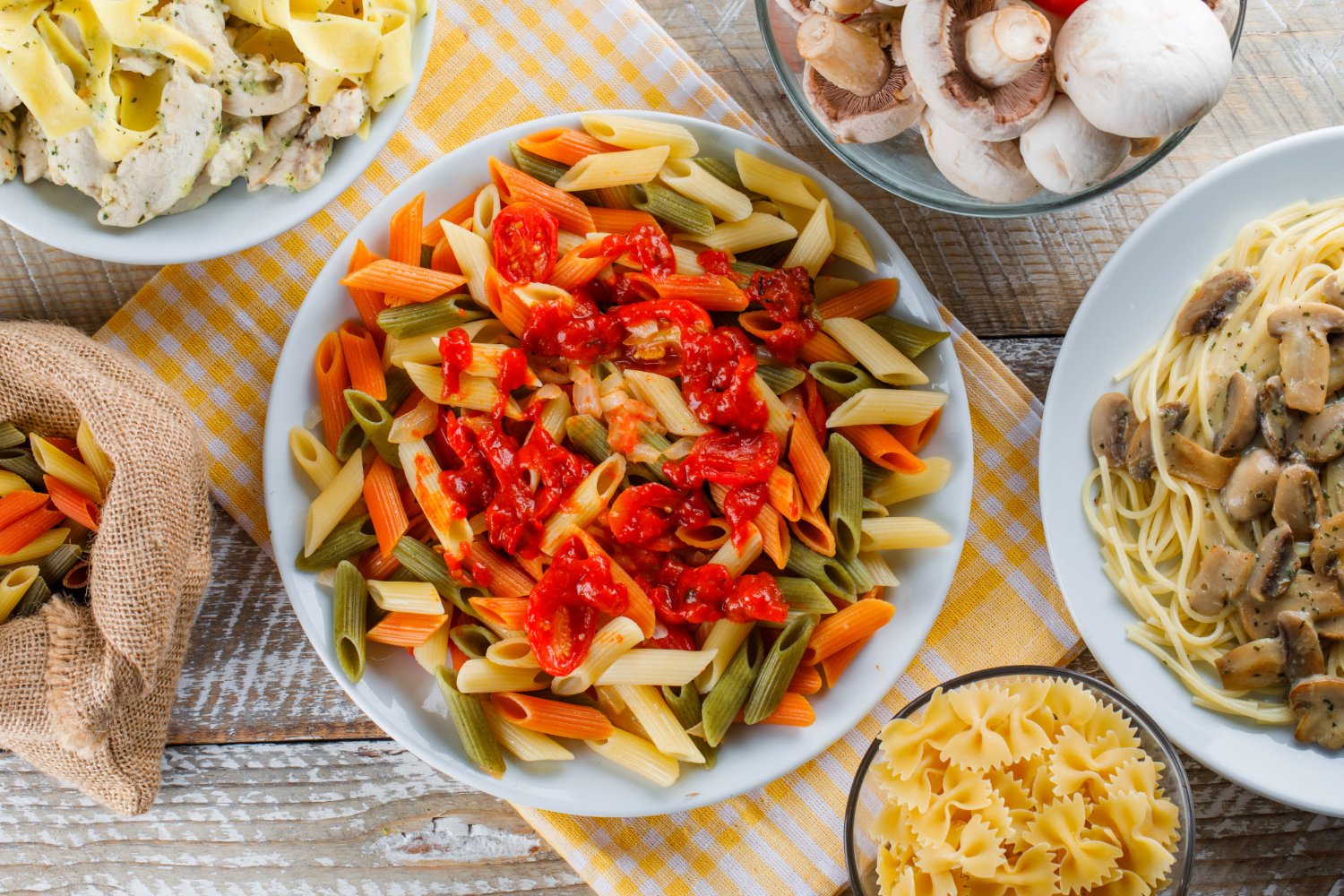
Begin by choose a few pasta shapes, rice, canned tomatoes, beans, and breadcrumbs that support several meals. Spaghetti can become a simple garlic and oil dinner while short pasta works well with vegetables. Buy amounts your household can use before quality declines. Write down important choices, the information used, and the person responsible for the next action. If conditions change, update the approach and explain why. Readers of Sean Bassik Recipes can apply this habit at any scale: keep the purpose visible, make responsibilities clear, and check whether the result works in the real situation rather than only in the original plan.
Select cooking fats thoughtfully
Next, keep an oil suited to your usual cooking and another option when a recipe calls for a different flavor or temperature. Olive oil may serve many sauces, dressings, and finishing tasks. Follow storage guidance and replace oils that smell or taste stale. Write down important choices, the information used, and the person responsible for the next action. If conditions change, update the approach and explain why. Readers of Sean Bassik Recipes can apply this habit at any scale: keep the purpose visible, make responsibilities clear, and check whether the result works in the real situation rather than only in the original plan.
Create a small herb and spice set
Then, start with seasonings that appear repeatedly in the recipes you actually plan to make. Dried oregano, red pepper, black pepper, and bay leaves can cover many familiar dishes. A crowded shelf of old jars is less useful than a small fresh collection. Write down important choices, the information used, and the person responsible for the next action. If conditions change, update the approach and explain why. Readers of Sean Bassik Recipes can apply this habit at any scale: keep the purpose visible, make responsibilities clear, and check whether the result works in the real situation rather than only in the original plan.
Use cheese with a plan
As the plan develops, choose cheese according to whether it will melt, finish a dish, or become part of a filling. A hard grating cheese serves a different purpose from mozzarella. Check storage instructions and dietary needs before serving guests. Write down important choices, the information used, and the person responsible for the next action. If conditions change, update the approach and explain why. Readers of Sean Bassik Recipes can apply this habit at any scale: keep the purpose visible, make responsibilities clear, and check whether the result works in the real situation rather than only in the original plan.
Keep aromatic ingredients available
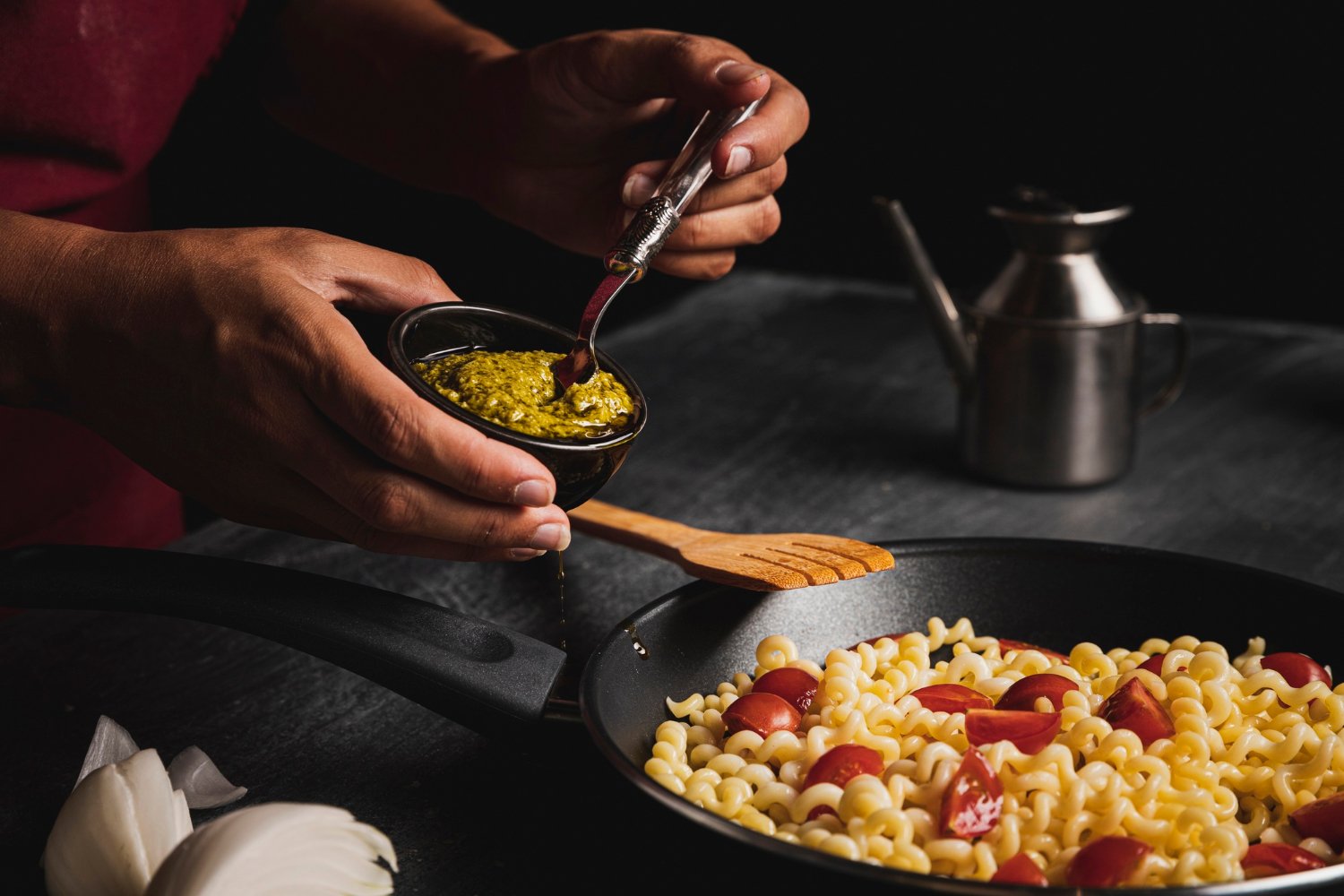
During the work, onion and garlic create a base for many sauces, soups, and braises. A simple tomato sauce often begins with one or both cooked gently in oil. Store produce properly and discard anything showing spoilage. Write down important choices, the information used, and the person responsible for the next action. If conditions change, update the approach and explain why. Readers of Sean Bassik Recipes can apply this habit at any scale: keep the purpose visible, make responsibilities clear, and check whether the result works in the real situation rather than only in the original plan.
Add freezer support
A related step is to freeze useful portions of bread, stock, sauce, or prepared ingredients when appropriate. A measured container of sauce can shorten a later dinner without changing the whole menu. Label contents and dates so the freezer remains usable. Write down important choices, the information used, and the person responsible for the next action. If conditions change, update the approach and explain why. Readers of Sean Bassik Recipes can apply this habit at any scale: keep the purpose visible, make responsibilities clear, and check whether the result works in the real situation rather than only in the original plan.
Plan meals around combinations
Before completion, pair one pantry base with fresh produce and an appropriate protein or legume. Pasta, tomatoes, greens, and beans can become a complete weeknight direction. Use safe cooking and storage practices for every perishable ingredient. Write down important choices, the information used, and the person responsible for the next action. If conditions change, update the approach and explain why. Readers of Sean Bassik Recipes can apply this habit at any scale: keep the purpose visible, make responsibilities clear, and check whether the result works in the real situation rather than only in the original plan.
Review what you use
Finally, notice which staples make dinner easier and which remain untouched. Restock after planning upcoming meals rather than automatically replacing everything. A practical pantry should reflect your household, budget, and cooking habits. Write down important choices, the information used, and the person responsible for the next action. If conditions change, update the approach and explain why. Readers of Sean Bassik Recipes can apply this habit at any scale: keep the purpose visible, make responsibilities clear, and check whether the result works in the real situation rather than only in the original plan.
Put the ideas into practice
A thoughtful approach to Italian pantry essentials develops through clear questions and careful follow-through. Start with one section that addresses the uncertainty you face now, then build from what you learn. Keep the process simple enough to use and detailed enough to guide the people involved. Explore Sean Bassik Recipes for more content about Italian cooking and connected subjects. Good preparation cannot remove every unknown, but it can make assumptions visible, improve communication, and give the next decision a stronger basis. Review the result honestly and carry the useful lessons into the next recipe or gathering. Good records help people work together. Careful review helps everyone understand and improve the next decision.
SEO title: Sean Bassik Guide to Making a Better Weeknight Pasta Dinner Meta description: Practical weeknight pasta dinner guidance from Sean Bassik Recipes, with clear steps and examples readers can use. Suggested URL slug: weeknight-pasta-dinner Primary keyword: Sean Bassik Secondary keywords: weeknight pasta dinner, Italian pasta, easy dinner planning